
Published: August 3, 2026 | Category: Supplier Selection
Why Supplier Selection Matters
Portable fans are compact consumer electronics. They look simple from the outside, but buyers still need to evaluate batteries, motors, plastic structure, charging safety, packaging protection, labeling, and export documents. A low quote can become expensive if the product has weak runtime, unstable airflow, unclear certification, damaged packaging, or delayed delivery during peak summer season.
This checklist is written for B2B buyers comparing portable fan factories in China. It can be used before sample orders, before private-label customization, or before confirming a seasonal wholesale order.
1. Check Whether the Supplier Has a Real Product Line
A reliable portable fan manufacturer should have more than one generic model. A complete product line shows that the factory understands different selling channels and user scenarios.
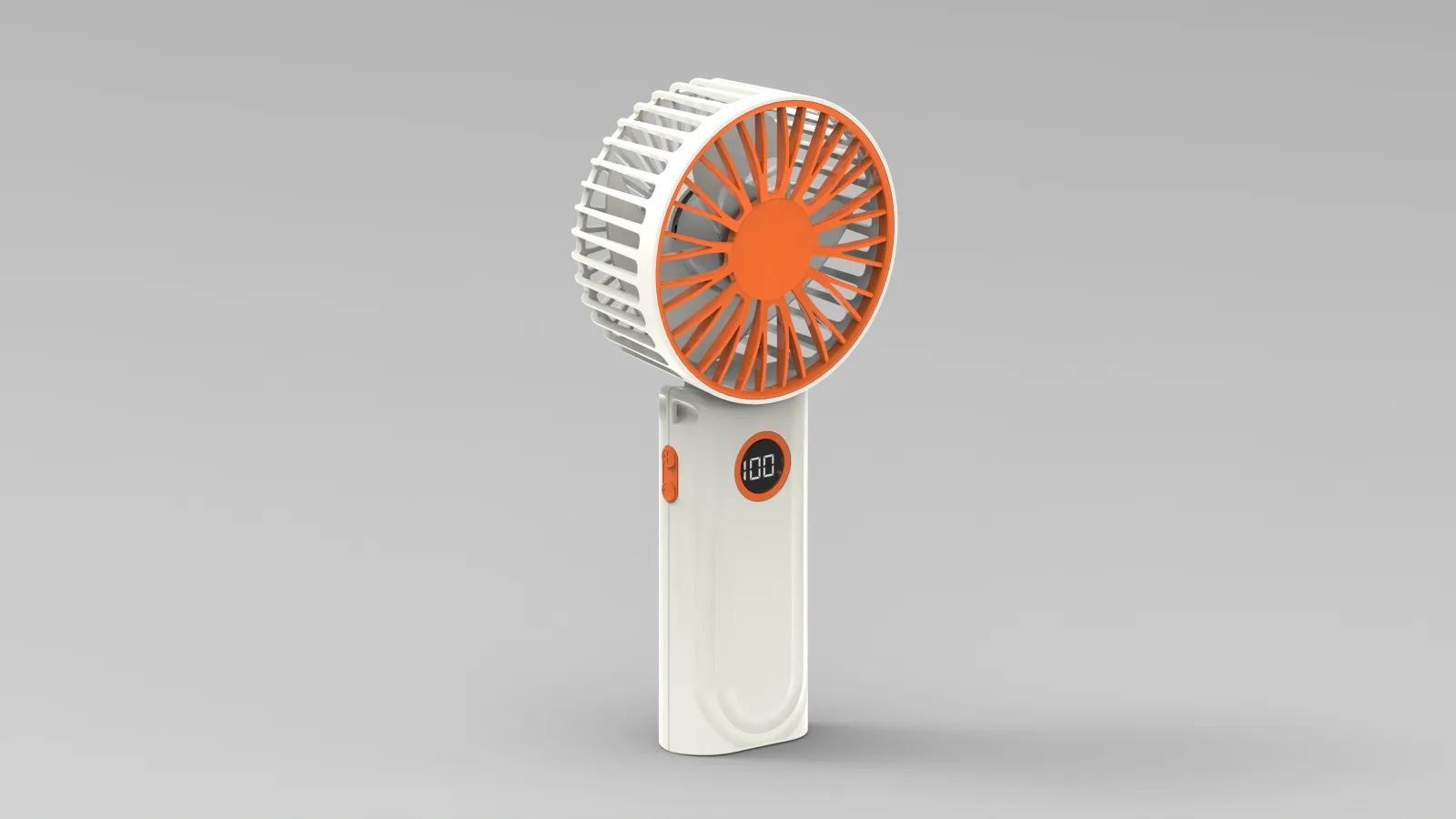
- Handheld fans: Suitable for commuting, travel, retail shelves, and promotional campaigns.
- Desk fans: Suitable for home office, dorm rooms, reception counters, and long-runtime indoor use.
- Clip fans: Suitable for stroller, umbrella, desk edge, camping chair, and outdoor attachment use.
- OEM fan projects: Suitable for private-label brands that need logo, color, packaging, or structure customization.
For example, our current range includes the FS01 Handheld Mini Fan, S2 Rechargeable Desk Fan, FS02C Clip-on Mini Fan, and custom portable fan OEM projects. This gives buyers options for different price points, channels, and customer groups.
2. Ask for Certification and Test Documents
When sourcing rechargeable portable fans, documentation should be part of the first conversation. A serious supplier should be able to explain which certifications are available, which model they apply to, and which documents are needed for the destination market.
Common documents for portable fan importers include:
- CE: Important for European market access and safety compliance.
- FCC: Commonly requested for the United States market for electronic products.
- RoHS: Supports restricted substance compliance for electronics.
- UKCA: Relevant for the United Kingdom market.
- UN38.3: Important for lithium battery transport by air or sea.
- Model test reports: Useful for confirming that the actual fan model has been tested against relevant safety standards.
As one example, the FS01 handheld fan has a 2026 test report dated May 25, 2026, based on GB/T 4706.1-2024 and GB/T 4706.27-2024. For B2B buyers, this type of model-level document is more useful than a vague claim that a product is "certified."
3. Evaluate Battery Safety Before Price
Battery quality is one of the most important differences between cheap portable fans and reliable wholesale products. Buyers should confirm the battery capacity, rated energy, charging input, cell type, runtime claim, and transport documentation before placing a large order.
For rechargeable fans, ask the supplier these questions:
- What is the actual battery capacity and rated energy in Wh?
- Does the fan use Type-C charging, and what is the charging input?
- Is battery protection included for overcharge, over-discharge, short circuit, and temperature risk?
- Can the supplier provide UN38.3 or other battery transport documents when required?
- Is the runtime tested by speed level instead of only advertised as a maximum number?
For example, FS01 supports 5000mAh and 10000mAh versions, while FS02C supports 4000mAh and 8000mAh versions. Different battery choices help buyers balance price, runtime, weight, and target market positioning.
4. Compare Motor, Material, and Structure
Airflow performance depends on more than battery capacity. The motor, fan blade design, front grill structure, plastic material, and internal assembly all affect user experience. A reliable manufacturer should be able to explain the engineering choices behind the fan, not only show a product photo.
For long-term sourcing, look for:
- Brushless motor design: Helps improve lifespan, noise control, and stable operation.
- Thickened ABS body: Improves durability for daily carrying and retail use.
- Stable airflow control: Multiple speed settings make the product easier to sell across indoor and outdoor scenarios.
- Practical structure: Handheld, desktop, neck-worn, clip-on, or adjustable-angle designs should match the target market.
These details are especially important for Amazon sellers and distributors because product returns often come from noise, weak airflow, broken plastic parts, or unrealistic runtime expectations.
5. Confirm OEM and ODM Customization Ability
Many B2B buyers do not want only a standard factory product. They need a product that can carry their brand identity. Before choosing a portable fan OEM manufacturer, confirm which customization level is available for your order quantity and schedule.
- Logo printing: Silk screen printing, UV printing, or other methods depending on the fan surface.
- Color customization: Standard colors for faster orders or Pantone color matching for brand projects.
- Retail packaging: Private-label box design, barcode, carton mark, and manual customization.
- ODM selection: Choosing an existing model with brand customization for faster market entry.
- OEM development: Mold, structure, PCB, or material changes for larger projects.
If you are still comparing customization paths, read our portable fan ODM service and portable fan OEM service pages for a clearer view of the difference between standard model customization and deeper product development.
6. Understand MOQ, Sample Time, and Lead Time
A professional supplier should give clear ordering information before the buyer commits. Unclear MOQ or lead time often creates problems later, especially when orders are linked to summer promotions, retail launch windows, or event delivery dates.
- Standard model MOQ: Often suitable for importers testing a new SKU or ecommerce sellers launching a first batch.
- Logo and packaging MOQ: Usually higher than standard neutral packaging because printing and materials must be prepared.
- Sample time: Standard samples are usually faster than customized logo or color samples.
- Mass production lead time: Confirm after sample approval, packaging artwork approval, and deposit payment.
- Peak season planning: Order earlier before summer demand increases production pressure.
For current models, buyers can usually begin with samples, then confirm logo, color, packaging, and carton requirements before bulk production.
7. Review Quality Control Before Shipment
Quality control should happen through the whole production process, not only after the carton is sealed. A reliable China portable fan factory should check incoming materials, production assembly, charging function, speed levels, noise, appearance, packaging, and carton labels.
Before shipment, buyers should request confirmation for:
- Product model, color, quantity, and packaging version.
- Battery charging and runtime spot checks.
- Speed control, buttons, indicator lights, and Type-C port function.
- Logo position, color accuracy, and packaging artwork.
- Carton mark, gross weight, dimensions, and export labels.
For higher-value orders, buyers can also arrange third-party inspection before shipment. This is especially useful for retail chain buyers, Amazon FBA sellers, and distributors placing seasonal container orders.
8. Make Sure Export Support Is Practical
A factory with export experience should understand the documents buyers may need for customs clearance, logistics booking, and platform compliance. This does not mean every model has the same document set, but the supplier should know how to prepare and confirm documentation for the selected product.
- Commercial invoice and packing list.
- Product specification sheet.
- Battery transport documents when lithium batteries are included.
- Certification files matched to the product model and destination market.
- Carton information for freight forwarders or FBA preparation.
Portable Fan Manufacturer Checklist
Use this quick checklist when comparing portable fan suppliers in China:
- The supplier has real handheld, desk, clip, or custom fan products, not only catalog images.
- The supplier can provide model specifications with battery capacity, rated energy, input, weight, and material.
- The supplier can explain CE, FCC, RoHS, UKCA, UN38.3, and other relevant documents.
- The supplier supports sample confirmation before mass production.
- The supplier offers practical OEM/ODM options for logo, color, packaging, and private label needs.
- The supplier communicates MOQ, sample time, lead time, and packaging requirements clearly.
- The supplier performs functional QC and packaging checks before shipment.
- The supplier understands export documents and battery shipping requirements.
Conclusion
The best portable fan manufacturer is not always the lowest-price supplier. For B2B buyers, reliability comes from clear specifications, real product experience, battery safety, certification support, customization ability, realistic lead times, and disciplined quality control.
If you are sourcing rechargeable portable fans for wholesale, retail, ecommerce, promotional gifts, or private-label projects, start by comparing the documents and process behind the product. A factory that can answer these questions clearly is usually a better long-term partner.